

CORRIDOR OF DARKNESS. A Novel of Nazi Germany.
“…rife with historical intrigue…” – Kirkus Reviews
Coming this weekend to Amazon.com.
CORRIDOR OF DARKNESS. A Novel of Nazi Germany.
“…rife with historical intrigue…” – Kirkus Reviews
Coming this weekend to Amazon.com.
Go ahead…step off the plane onto the sticky tarmac at Fort Sill, Oklahoma, six a.m., the searing sun just breaking the horizon on a late August day. You recoil at the blast of a hot wind and dense humidity. Your military adventure has taken a new step.
It’s 1970. America is at war in Vietnam. And you’re here to learn how to tell artillery gunners exactly where to drop their shells. You’ve been told by veterans that you’ll replace a fallen second lieutenant within weeks of being in-country. You’ll be a forward observer. You’ll soon join the fallen lieutenant. Rousing stuff, all that, cheering you on.
First you study in the classroom, where you are pounded over the head with concepts of shell velocity, ammo type and fuse setting, bearing and elevation, plus all the other terms I’ve forgotten. And you have to endure the callous “jokes” of instructors who find the bombing of orphanages and monasteries particularly funny as they demonstrate examples of correct targeting.
It’s 1970. And two movies are still making the rounds in the theaters. One, Patton, stars George C. Scott, and it’s a rousing salute to WWII battle and command bravado which is shown at the base theater. The second, M*A*S*H, inspiration for the later long-running television series, takes a somewhat more jaundiced look at military life during the Korean Way and (indirectly) Vietnam. It shows off-post only. I see them both.
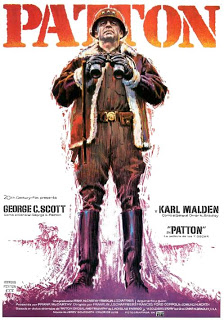
Somehow, I feel myself drawn to the latter more than the former, and my Advanced Individual Training is underway, so it’s time to make it more interesting.
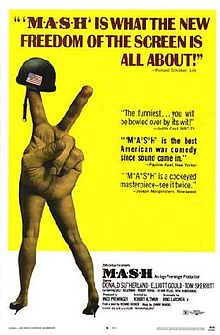
Now by a quirk of fate my best boyhood neighbor Dan happens to be held-over between training sessions at Ft. Sill when I arrive. He has signed up for some sort of special non-com Ranger training–I can’t remember specifics–so he has nothing but time on his hands. I don’t tell him I’m here, just seek him out where he’s trying to catch a few late-morning z’s and drag him off his cot and on to the barracks floor. He takes it well, and we decide to make our stay at Ft. Sill as interesting as possible.
Now you need to know this about Dan: he and I were hell-bent-for-leather buddies in junior and senior high school. So we nearly blew up his father’s garage with our home chemistry lab (that story in another blog post), raced our bicycles so fast off a bridge heading home from school that I ended up using my head to destroy a car’s side window, dressed in black wet suits, took a rubber raft, and planted fake limpet mines at night on the sides of Navy ships at the Port of Stockton, almost being swamped by a huge freighter…you get the idea. Typical teenagers.
So now we’re both typical young twenty-somethings. And all of Ft. Sill is ours for the taking.
Some examples:
First: KP. For those who don’t know or care to remember, that’s Kitchen Police. It meant that soldiers had kitchen duty all day long when your number came up, or you were being punished for some misdeed. Dan filled me in right away that the best move was to get up and in line before five a.m., and I’d have your choice of jobs. These ranged from the easiest–greeting and helping unload supply trucks bringing in the grub–to the hardest, such as hand-scrubbing the pots and pans all day long.
So I always got there early and took the supply room job. I’d sit in back of the potato bin (since you didn’t want any of the non-coms to catch you with time on your hands). I’d read a paperback and wait for the trucks to arrive and sound their horns, then quickly help off-load the goods, then disappear once again into the potato bin. Worked like a charm.
Now the soldiers training in FDC all had to have a certain level of smarts, since relatively complex mathematical gyrations were involved in figuring out how exactly to get those artillery shells from the mouth of the gun to the intended target. So most of us were reasonably smart, and many were unreasonably smart-ass. Which didn’t make things particularly great for the drill sergeants whose only apparent task in life was to keep this bunch in line.
Every morning bright and early we would be rousted from our bunks by these hapless sergeants. They’d enter the barracks, switch on the glaring overhead lights, and rattle our bunks. And all the sleepy-eyed soldiers would roll grumbling to the ground and amble off to get prepared for the day’s events.
At that time there was a television commercial for a breakfast cereal which featured a herd of cartoon animals hastening off en masse, I presume to their doom, since they were intended to feed the kids. “The one and only cereal that comes in the shape of animals,” was the sales slogan.
One morning I rousted all of my platoon out of bed a half-hour early, before the sun was up. We dressed and hid behind a partition near the barracks door. When the sergeant entered and flipped on the lights, all he saw was a long bank of empty, already made beds. And then came the herd: twenty-five or so soldiers clumped together in one big shuffling mass as we nearly trampled our way out of the barracks, singing “The one and only cereal that comes in the shape of animals.”
Dumbfounded by the raw courage, the pure idiocy of the moment, the drill sergeant (once he got out of the corner he had been forced into), shook his head in disgust and ordered us all off the breakfast.
Here’s another example: We are mustered for morning roll-call, lining up in rank and file, platoon by platoon, company by company, because a new battalion commander is there that morning to review his troops. It’s dark. A faint hint of approaching morning on the horizon. And here’s what’s supposed to happen: the commander calls out from his rostrum “Battalion!” in his best command voice. The company commanders call our from their respective positions: “Company!” The drill sergeants call our “Platoon!”And then the new commander shouts “Attention!” and every troop snaps to attention in a fine display of military regimen and behavior.
Okay, so here’s how it went down: “Battalion!” “Company!” “Platoon!” And before he can get out the word “Attention!,” some wise-ass shouts from the darkness, “Squad!” And another voice from the back: “Troop!” And finally, several other miscreants join in with “Troop!” The whole assembly breaks down in misguided laughter.
Angry grumbling from front and center, a hasty call to “try it again,” and once again a solid disregard for protocol ensues.
The commander gives up in disgust: “Get them to the mess hall.” And all but the officers cheer. The guilty parties were never apprehended. Thank God it was dark.
Now Dan had a motorcycle on post. And I wasn’t allowed off-post without a pass. But things happen. So we explored Lawton, which is the nearby town and was graced with a main street lined with bars, clubs with lovely girls in skimpy outfits, and enough private chapels to save the misguided soul of every soldier in the artillery.
Dan and I were saved a few times in return for free cookies and soft drinks; it just didn’t feel right to disappoint the freelance preachers who were convinced that a moment of bowed heads would immediately drive Satan from our young hearts and minds. Not with all those attractive girls around, anyway.
All went well until we ended up late at night in a Lawton pizza joint, enjoying a last minute snack and beer before sneaking back on post. I looked down the long table and met the eyes of one of my drill sergeants. He looked back, shook his head in horror, and returned to his conversation with a young woman. Maybe his wife? I never heard more about that incident.
The time came when we all seemed well enough versed in doing the math to correctly direct artillery fire and we were introduced to…computers. Now think about it, when do you first remember hearing the term, or checking out the new Commodore at Radio Shack?
Exactly.
The Army was way ahead of the curve and had these olive-drab computers about the size of a large box which were designed to do all that computation we had learned to do manually. Then we found out why they were showing up so late in our training. The trainers who had seen action in the field said the computers would fail after a couple of days to weeks in the humid jungles of Vietnam. But for the moment, we gathered in groups of two or three in little rooms, learning how to program the necessary data to come up with the basic instructions to phone out to the men manning the big guns.
Unfortunately, that took us about one day’s practice, but the Army had directed that we spend a much longer period learning the ropes. So my team mates and I decided to pass the time between spot visits from the supervising sergeant or lieutenant computing just what shell/fuse/ammo/etc., taking into account the spin of the globe, would be required to get the shell to leave the gun barrel, make a beautiful trajectory, and land right back in the mouth of the cannon. A typical (and useful) computation took a few minutes to come up with a result. Our poor computer took ages, obviously confused and worried by the ridiculous things we demanded of it. And after about twenty minutes of hilarity as we awaited the computed results, in walked the lieutenant.
“About done, boys?” he asked.
“Yes, sir,” we answered, hoping against hope that he would leave right away.
He didn’t. He sat down to await our results. Minutes ticked by. Results came in.
He called it a day. We were sent back to the barracks.
Strangely, we were never punished for our inconsistent behavior. I guess they figured we wouldn’t last long in Vietnam anyway, so why not give us a little fun along the way?
Little did they know we still had a trick or two up our olive-drab sleeves.
Coming next: The Orders are In, and We’re Moving Out
Copyright 2013 by Patrick W. O’Bryon
Okay, so here’s a secret…not everyone is cut out to be a soldier. Or, for that matter, a sailor, marine, or…well, you get the picture. That’s why we have an all-volunteer military. But that wasn’t always the case, and when I was twenty-one the young men of our nation enjoyed that very special process called the draft.
Strange choice of words. Sit in a draft, my Peoria grandmother said, you might catch your death. Get called up in a draft, you also might just catch your death. Period. And you didn’t volunteer for the danger.
Now, always more a thinker than a fighter, I wasn’t excited to hear that I had pulled a rather low draft number. The Vietnam War was still actively in progress, and many of my friends were heading over to fight and sometimes die. And those who managed to make it back unscathed often found themselves the objects of public scorn and contempt. Yes, contempt. Few of us draftees were excited at our prospects.
So back then I reported for duty at the Stockton Greyhound station and was bused to the Oakland induction center, where I stood in line with the fellow long-haired young men of my day, waiting to see what we’d gotten ourselves into.
It didn’t take long to find out.
Along came a marine sergeant and two marines, and he started counting down the line I was in, tapping anxious recruits on the shoulder as he went. I held my breath and just as he reached the quivering guy in front of me, he reached his goal, announced that the chosen dozen ahead of us in line were now marines—“not army scum”—and marched them off to Camp Pendleton or Fort Ord or somewhere equally intimidating. Whew! The rest of us breathed a sigh of relief. Our first bullet dodged.
Then they processed us and prodded us and tested us, and after thirty-six hours of transit we ended up in Fort Lewis, Washington. They drove us from the bus like cattle who had somehow offended, ran us through a long line to gather our army wear and gear, and shaved our heads down to stubble. (Sent me back twice to the barber chair for a second and third go-round…mine hadn’t been cut short enough.) And boot camp began.
Now these days fitness fans are proud to boot camp this and boot camp that. But as newly-minted soldiers most of us weren’t used to the hours, the strict regimen of training, and having drill sergeants yelling in your face constantly night and day, spit and feigned anger flying. And some of were independent thinkers, not used to the concept of thinking/acting/reacting as a cog in the wheel.
So we looked for ways to cope.
I smiled. A lot. Much to the consternation of the drill sergeants, whose “wipe that damn smile off your face, O’Bryon” became a mantra. But I just couldn’t help myself. Anymore than those of us who chanted “love, love, love” rather than “kill, kill, kill” as we stabbed bayonets into long-suffering dummies. We just weren’t cut out for war—you know, we were the kids who had played Robin Hood with home-made bows and arrows rather than those others who played soldier with guns and fake helmets. We relived ancient history, not modern warfare.
And those of us who failed to hurl unarmed grenades an adequate distance during the day were forced march off after dinner to practice till the sun set. Now if push came to shove, I imagine I could have thrown those grenades a lot farther and more accurately. But my goal was not to stand out as an impressive future infantryman. (It should be noted that–on the one day we tossed live grenades–that baby left my immediate proximity like a bat out of hell.)
It was bad enough that I was singled out as an expert marksman with the M-16A1 rifle. I had little concept of how it was happening, but those damn targets just kept dropping. I am convinced I was hitting gravel a few feet in front of the targets and the stones were doing the heavy scoring. Earned a nice badge, though.
Eventually my drill sergeants realized they couldn’t wipe that damned smile off my face, so one ordered me to find a smooth stone and carry it in my pocket. Anytime I felt like smiling I was to take out the stone and put it in my mouth.
So I quickly learned to smile around the stone.
After a week or two he would simply ask: “O’Bryon, where’s your rock.”
And I would answer: “In my pocket, drill sergeant.”
And then he’d shake his head in disgust and move on.
Eventually they named me acting platoon sergeant, figuring that trying to control that unruly bunch of military misfits would take the smile off my face. Didn’t work.
Sure, a few types dissatisfied with my “leadership” tried to “accidently” impale me with bayonets during night marches and such (these were the days of “fragging”), but overall, being a leader was more fun than being a follower. I had my own personal bed rather than a bunk, and the night guards were my friends and kept me alive over night.
Once I was supposed to camouflage myself and hide out in the woods to ambush small squads of trainees making their way along the woodland paths. I covered myself with pine boughs and leaves and proceeded to fall asleep, only to be awakened by the sound of troops marching back to the barracks…a situation rather embarrassing to explain as I caught up with the company.
When graduation time came we gathered for a commemorative photo. The drill sergeant shouted out: “O’Bryon, you can smile. The rest of you dirtbags, wipe the grins off your faces.” Here, take a look. That’s me in the middle. The one still smiling.

I got orders a week later to train in Fire Direction Control at Fort Sill, Oklahoma. Those few of us so specially selected were held over for a week, waiting for transport and the next training classes to begin. Meanwhile, the drill sergeants told us to kiss our asses good-bye. They said FDC was the second most dangerous artillery specialty, since the FDC guys replaced the lieutenants who were forward observers, telling the gunners where the shells were to fall. Being a lieutenant in the artillery was number one most dangerous job, aka most-likely not to survive the first few weeks. And my new specialty pretty much guaranteed a trip to the jungles of Vietnam.
I threw away the stone. I’d stopped smiling.
(Stay tuned: next installment, Advanced Individual Training [AIT] in Oklahoma)
Copyright 2013 Patrick W. O’Bryon

Dear Readers and Followers: My debut novel inspired by the 1930’s European adventures of my late father will be available as both trade paperback and ebook in November. Watch for the official launch and find it on Amazon.com and elsewhere.
“An intriguing early WWII spy yarn set in a well-researched, authentic Germany.”
— Kirkus Reviews
Some of you may recall an earlier travel memoir (How to Risk a Stretch in Soviet Prison under “Travel Memoirs” to the right) detailing the misadventures of leading a group of college students through the ice- and communist-bound Prague of the ‘70s.
Well, allow me to describe the changes which struck me on an early-autumn day last month.
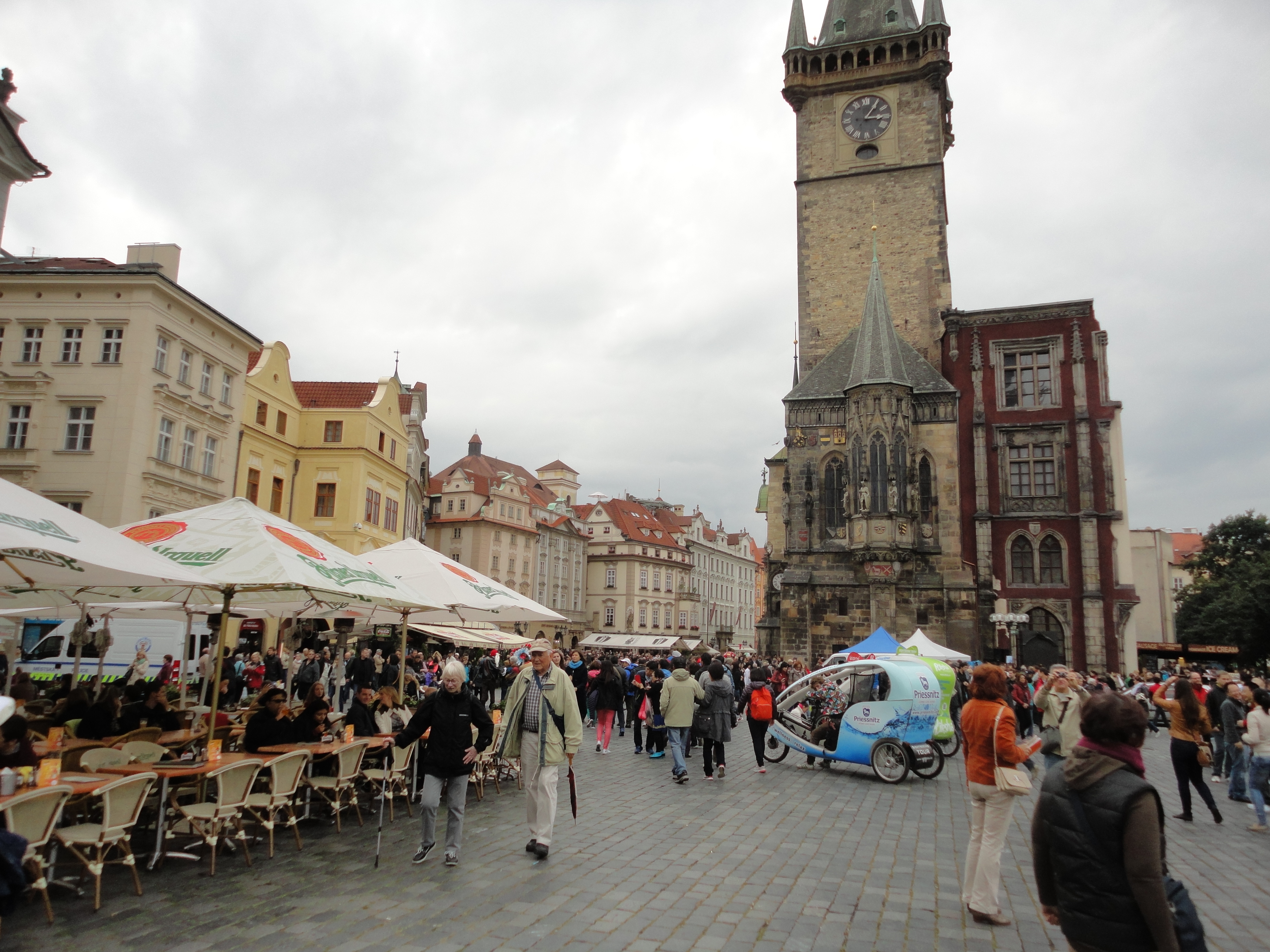
First, the Czechs are smiling. The dour faces and suspicious looks have long-since given way to a joyous appreciation of life. Almost everyone asks, “Have you been to Prague before?” And it’s entertaining to watch the disbelief when I mention my visit some 37 years earlier, as if I’m not quite right in the head, a kind of “you came here then?” look of incomprehension, a second glance to see if it’s some joke. Today the Czechs aren’t afraid to be open and welcoming, loving the international favor their city has won and the prosperity which followed in its wake.

Second, the city is lovelier than ever, having emerged from a cocoon of drab. Now it’s a butterfly resplendent in bright colors, festive advertising, and jubilant enjoyment of life, all echoing the splendid architecture. The streets are spotlessly clean, the main squares a circus of humanity and entertainment, and Prague Fashion Week draws fashionable attendees to admire the Mercedes cars parked out front and—I assume—sartorial fashion within the pavillion. And alongside the Vltava River a large circle of drummers and dancers in the park, reminiscent of San Francisco in the sixties, long skirts bouncing, Indian braids swaying, hands holding, smiles beaming…my God, what have they been smoking?
Oh yes, every little tobacco or mini-mart shop sports a marijuana-leaf decal in the window.

A morning stroll—as usual before the shops open and the tourists and citizens appear in droves—allows one to witness the changes. Consumerism in all its rainbow aspects.
Cheerful smiles and chatting in the still nearly-empty cafes.
The smell of freshly-baked bread and rolls. Breathe deeply.
A drunken student, now all alone after a night’s excessive consumption, cooing and rocking his head up and down, bobbing about a square in emulation of the pigeons that scatter in his path.
Cleaning and restoration of the famous saintly statues on the Charles Bridge, one missing from its pedestal for cosmetic work, one already gleaming in newly-cleansed stone, the others waiting patiently in coats of centuries-old grime. Visit early to avoid the crowds.

A Japanese couple in wedding garb posing romantically for professional photos, only to separate immediately after the shoot is finished, the “groom” running after the camera girl to steal a kiss, the “bride” hoisting up her long dress and train around her thighs, slipping off the heels, then clapping her way across the bridge on flip-flops on a mission of her own.
A solitary fisherman on a skiff below the bridge, patiently waiting out the fish.
The obvious: an evening stroll takes one past a large building on the main riverside drag. Bathed in blue neon, it advertises “Night Workout,” its logo beaming a long-limbed woman in provocative “fitness” pose, one leg pointing skyward. A bouncer at the door. Warning: this isn’t your family fitness center.

And third, the beer. Now, I hesitate to wade into this question of who brews the best beer in the world—American micro-breweries, German traditionalists, Belgian masterworks, etc. I only found my own taste for beer having arrived in Germany at age 21, so perhaps I’m a poor judge. And just as in picking one’s partner in life, the choice of beer is a very personal thing, this determination of what you admire most in a liquid object of your affections.
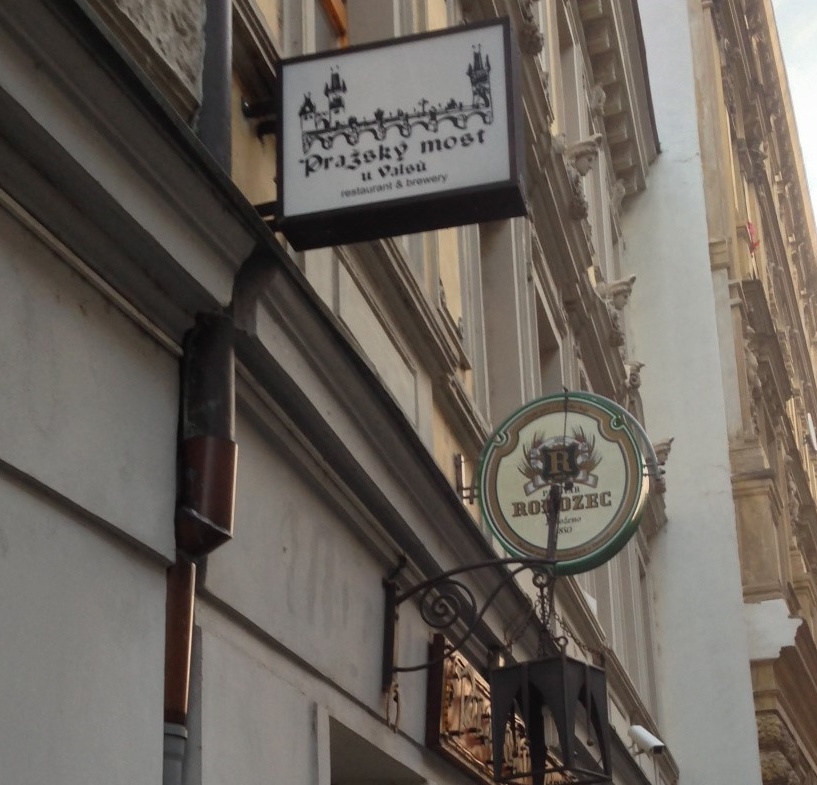
During my first visit to Prague at a place called U Fleku I found frothy pleasure in a mug of the beer brewed on the spot. And on this recent visit I discovered a little restaurant just a half-block from our hotel which brewed a similar offering in its basement level—rich, robust, heady—which answers that question for me…
Czech, please.

Hotel recommendation: Hotel Leonardo, with warm service, spacious rooms, views of the river and castle.

Restaurant recommendation: Prasky Most u Valsu, just up the street from the Leonardo entrance, with good food and attentive service. Remember, in Prague you never have to ask for another beer. It appears like magic the minute your first glass approaches empty.
Copyright 2013 Patrick W. O’Bryon
A mild, late-September evening in Grottaferrata. From the ramparts of the great medieval abbey your eye is drawn down to the city of Rome, and it’s easy to imagine the ebb and flow of heavy traffic, motorcycles and scooters daring you to challenge their right to butt into your “lane” and find a speedier path out of the city’s maelstrom of vehicles as everyone heads home for the day.
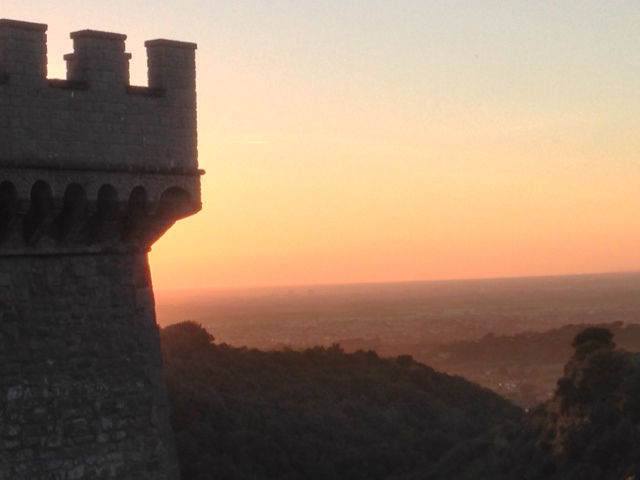
Sunset over Rome viewed from Grottaferrata abbey
But—thankfully—you aren’t down there in the exciting ancient city on the Tiber, trying to protect your rental car from any inadvertent fender damage, but rather up in Roman hills, the Castelli Romani area to the south of the city. You have wandered down from the abbey and now sit on the square of this lovely little town to watch Italian community in all its charming interaction. Under the canopy of umbrellas closest to the action, you order mineral water and an espresso, and you’ve bought yourself a ticket to the most enjoyable of Italian social customs, a full evening’s passeggiata.
In any Italian community, come this time of day, the citizens take to the streets, usually the centro storico, on the main street or square, often in stylish dress, to celebrate belonging. And they stroll, and gather to chat, or (as you are doing this evening) just to observe humanity doing what it used to do so well. Commune.
The children play. There, down there, beyond the central fountain…a mini-soccer match goes on endlessly, boys and the occasional girl kicking the ball about, trying to score between the handrails of a staircase. A young boy with foreshortened arms scrambles in the midst, totally absorbed in the game and treated as the equal he is by all the other children.
Closer to your table, a rascally little girl races about on a scooter, taking advantage of a ramp to shoot down through the constantly shifting crowd, feigning tears from time to time to be sure her parents pay attention. Her companion in mischief is a small boy with a bountiful puff of hair, the two conspiring to come up with new ways to keep the square in motion.
Over there, a little girl in skates, taking her first tentative try at matching the success of her playmates. You’re tempted to join in the unabashed fun. And here comes another child on a bicycle, weaving in and out of the adults and otherwise active kids.
The young teens flirt. Seated beside the fountain, a boy of perhaps twelve sidles up to a lovely young girl with long brown hair, his devotion and yearning obvious to the watcher. She likes him, you can tell. Her cell phone rings, she answers briefly, and moments later her best friend appears at the upper end of the square. She leaps up and runs to embrace her, the boy tagging behind, anxious not to lose the connection he hopes to have gained. The three find seats side-by-side on a concrete coping and talk, laugh, smile, flirt some more. (You contrast the American youth scene, where half the kids are on cell phones, even amongst their friends, absent though in their presence.)
The adults talk, hands animated, laughter frequent. Parents sharing their day’s trials, their children’s successes and foibles. There is no constant eye out for where the kids are, what they are doing, no fear for their safety. They know the whole community is present, babysitting. They squat down from time to time to listen to a child’s recounting of his or her latest play activity, or to check out a new bruise. From on high, an elderly woman observes the life of her town from her balcony.

Observing the passeggiata from on high
A cat wanders up the stairs, takes in the scene of constant motion and action, thinks better of it for the moment and mounts a concrete pillar to join you in your observations.

Carved lintel decoration at the entry to the Grottaferrata Abbey church
Don’t worry about the table you are occupying for hours—all for the cost of water and a coffee—your waiter is patient, doesn’t care if you spend more, order more. For three euros you have bought yourself a ringside seat to the best show in town, and it will last well into the night, when the last rays of the sun have gone from the sky and the square lights are on, and still children play with no sign of exhaustion, and still adults chat, with no sense of urgency to get on with life, and still the old woman above the square watches with memories of so many other evenings like this to keep her young.
The crowds have thinned. Dinner must be enjoyed. Some parents call to their children, who come running without complaint and the family wanders home. The restaurants are filling and the streets are less full, the shops have shuttered for the night.
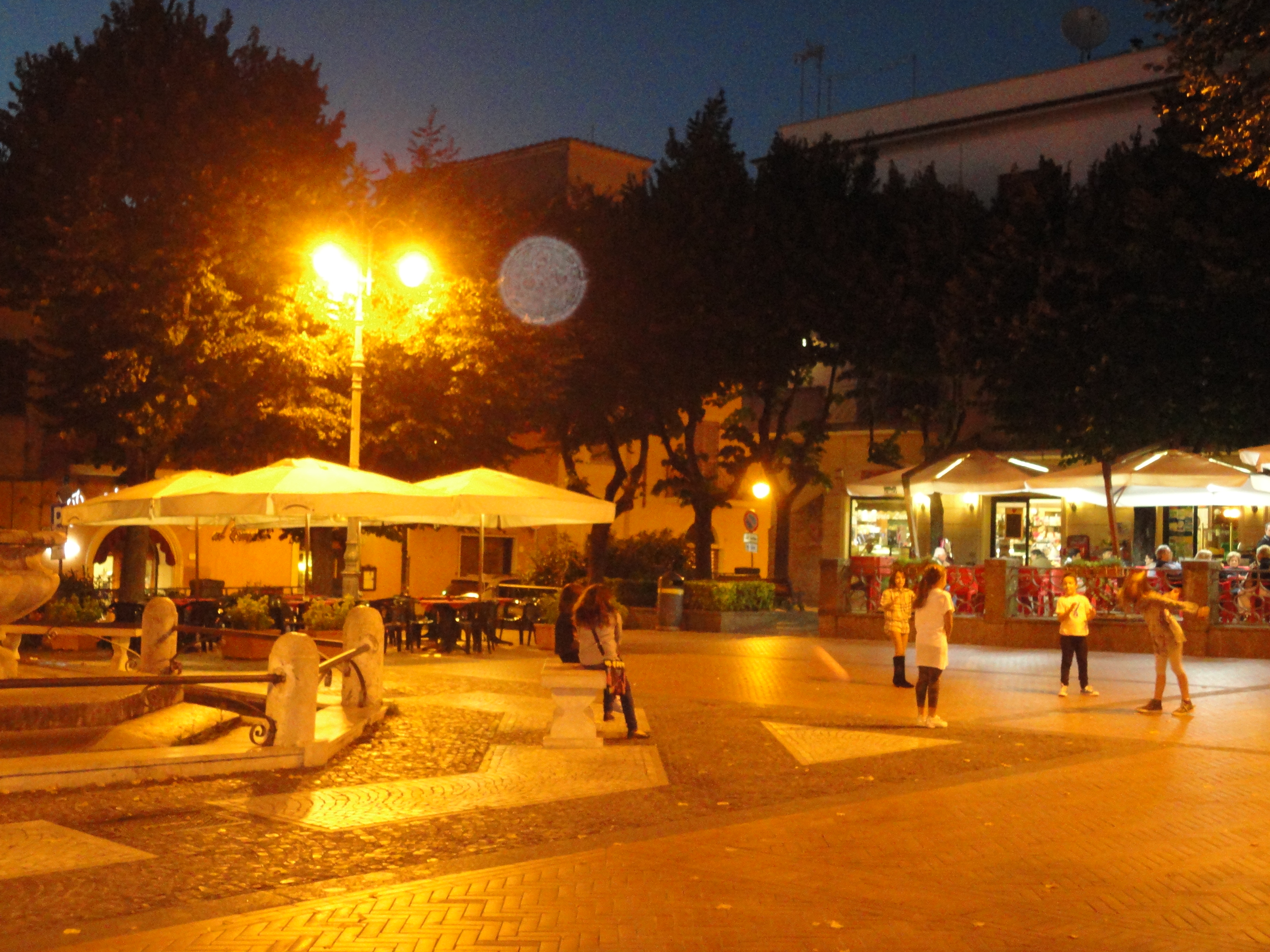
The evening’s end…and kids still at play
A fist fight breaks out in front of a sports bar across from the square. Two groups of youths. No knives, no guns…just traditional swinging of fists and hurling of angry words, shoving. Perhaps disagreement over soccer teams. Perhaps something more. A middle-aged woman lifts her cell to her ear to phone for help, should it be needed. Word is out, the polizia might come, and the youths race to their cars and abandon the scene.
Now things are quieter. You begin to imagine those ravioli stuffed with ricotta and spinach, that glass of Frascati. Perhaps it’s time to pay your meager fee for the evening’s hours of relaxation and entertainment.
The cat observes. Finds the moment right. Abandons the stone wall and wanders beneath the now empty café tables, winding his way to the edge of the fountain. Reclaims his square and waits for the next act of a centuries-old play.
Italian community. Gotta love it.
Where to stay: Locanda dello Spuntino in the heart of Grottaferrata. Just twenty-five minutes or so from Fiumicino Airport, even closer to Ciampino Airport. Warm welcome, very nice accommodations.
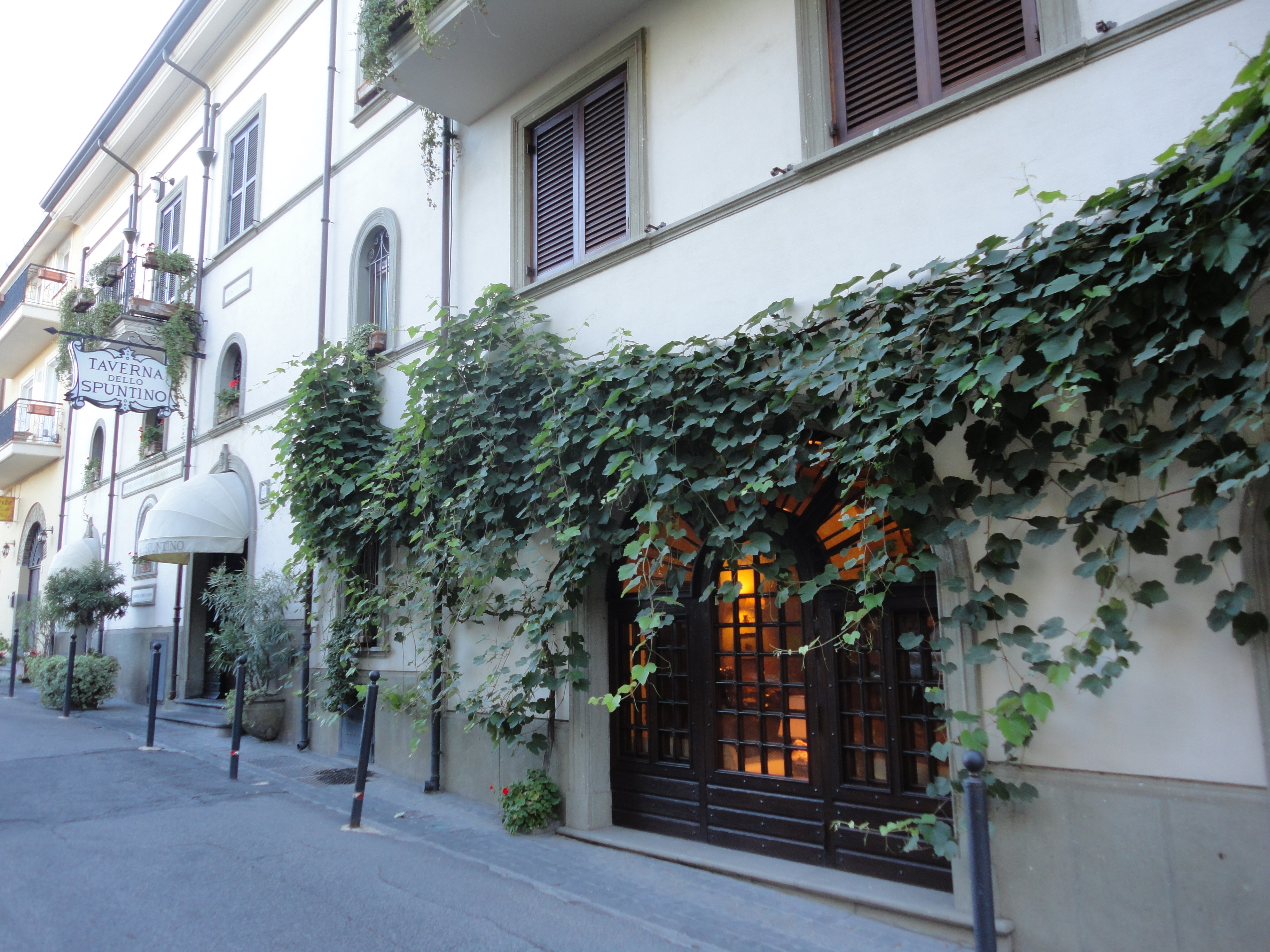
locandadellospuntino.com
Where to eat: Taverna dello Spuntino, adjoining. Gracious people, delicious food.
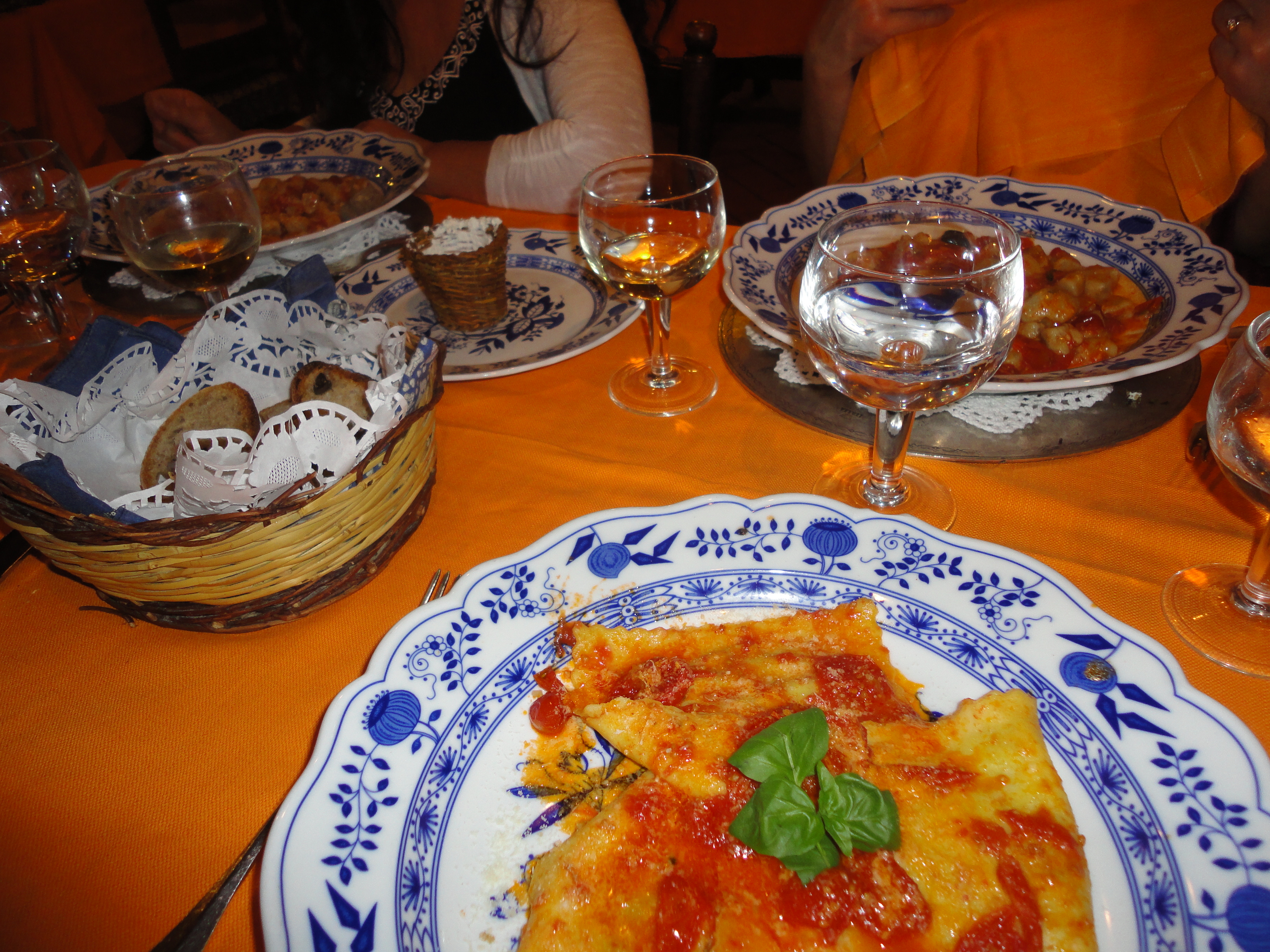
Did I mention delicious?
Copyright Patrick W. O’Bryon 2013
Summer is coasting to an end and the fledglings are leaving their nests. Go figure. I always thought this happened only in spring. Shows how little I know about avian procreation. And yesterday we witnessed a scene which has been going on relatively unnoticed for let’s say, oh, millions of years, ever since the first fledgling dinosaur trotted off on its own. And let me tell you, it was awe-inspiring.

Photo: freedigitalphotos.net
Okay, here’s the scene: Several weeks ago a mother robin adopted an abandoned robin’s nest under the eave of our garage. Now in all honesty, I didn’t think much of her brain power, because California summers are hot and getting hotter, and this location is bathed in radiant heat from the concrete surface below and reflected light from the white garage door. The extended eave acts as a heat catcher, so I imagine that nest was warm enough to incubate eggs on its own without the aid of a warm mother bird’s body.
Oh, wait, maybe that’s not so bird-brained a location, after all? And the recycling of an old nest…pure genius in terms of energy efficiency.
Anyway, there she is, up there daily, ignoring the raucous racket every time my car pulls in and out, every time the noisy garage doors rise and fall, and she faithfully attends those eggs. But when the temperature exceeded 100 degrees, she knew enough to stand on the side of the nest rather than heat up those eggs to hard-boiled status.
The poor thing was obviously distressed by the heat, her beak open constantly in panting mode. So I set up a fan beside the car and directed the wind in her direction, and within a minute she shut her beak. I’m sure she would have given me the thumbs up, or flight feathers up, or whatever a mother bird would do to express her appreciation. But in actuality she just turned into the breeze and relaxed a little, which was all the thanks I needed.
So soon there are several ugly little hatchlings, their open beaks raised high in the air, their scrawny necks stretched long, their voices quiet when mom is gone chasing down some juicy insect, noisy when she arrives to share all that regurgitated goodness.
Now about this time a second nest appears, this one the size of a big thimble and this time attached to a Japanese maple branch inches above head height at our front porch entry, which thankfully we seldom use. And there sitting atop the nest is a tiny hummingbird (not that I know of any giant hummingbirds), so forget the “tiny,” just think hummingbird. She sits on her nest and spreads her wings. And we decide never to use the front door, and place a barrier on the steps and a hand-drawn sign cautioning anyone approaching.

Time to flash forward to the day before yesterday. First of all, my wife and I are convinced the hummingbird nest has been abandoned, since every time we peek through the side light of the front door, the mother is nowhere to be seen. Morning, day, evening, night…no mother tending the nest. In concern, I finally sneak out and stand on a chair to peer into the nest, and there are three little lumps of fuzz about the size of almonds. And I can see the minuscule bodies rapidly breathing in and out, but their heads are buried in the nest. Arrrghh, I say, or something to that effect. The poor things are alive, but not for long.
What to do? We research and learn that the mother bird should be tending to their food needs four to five times an hour. But what if she is around, doing her motherly duties, and we just never catch sight of her. We read that she only in at the nest for a few seconds each time. Double arrrghh…okay, we’ll wait another day. My wife and I take turns peeking out for motherly activity, not telling each other because we know we’re both upset by the thought of birdlets starving to death and don’t want the other to be depressed. Finally, the decision is reached. Give Mother Nature a chance. After all, these living dinosaurs, petite as they may be, didn’t survive into the present day without some sense of what they have to do to protect their young.

Photo: Michael Elliott at freedigitalphotos.net
So yesterday morning we are awakened to an incredibly noisy squawking of birds in our front driveway. When I look out on a typical morning I see the landscape dotted with many of the semi-feral cats we look after, ever since the people up the way abandoned them to their fates when they moved away. At six to seven in the morning they always appear like magic, awaiting the grand opening of the garage doors and plates of fresh food and bowls of water. But yesterday morning all was different. No cats at all. Or rather, wait…two are all the way up by the front gate, looking my direction but patiently waiting and eyeing a flock of robins.
Yes, a flock. Five adult robins, screeching and squawking at the cats to keep them at bay. And in the middle of the driveway squats one little fledgling robin, the last to have left the nest.
Now I—less than confident that one of the cats isn’t lurking and ready to grab that bite of fluff—creep out the door and approach the fledgling, reach down and scoop it up gently, carry the little creature to the garage eave and try to put it back up on the branch supporting its now empty nest. All the while robins are noisily swooping down at my head, the fledgling deposits some nice liquid goop in my hand, and then flutters clumsily down into the bushes at my feet. Mission a disaster.
All this activity has drawn the curious cats. They figure, hey if those big guys are there then the birds won’t notice us. So my wife and I now grab cans of cat food and lure all the felines as far afield as possible, and lock the most interested one, yeah, the one already sniffing at the bushes, inside the garage. Then we set up observation posts well away from the defensive robin action to wait it out, my wife up above the drive, I down below.

Observant feline Tara
For two hours the adults try to encourage the fledgling out of hiding, and she eventually emerges to make her way unsteadily on foot back out across the driveway and then into bushes close to the house. All the while a couple of the adult robins return constantly with food for that young one (and presumably they are also away feeding the fledglings that were strong or bright enough to fly the first time), while others stay on post to watch for danger, and others demonstrate what the fledgling needs to learn. These trainer birds land in the bush with the slow-learner, hop up a branch, then onto the next higher branch, etc., obviously hoping to get the little bird to copy their actions until it is high enough to get some air and fly away to join its somewhat more advanced siblings.
But here’s what I found most fascinating about this nature lesson: Not only were several adult robins in on the training, but at least four hummingbirds joined in the moment, flitting in and out of the bush and apparently also encouraging the fledgling (four times their size) to climb up the branches. They obviously were there only because they recognized that their fellow birds had a baby to save. You got it, distinctly different bird types coordinating the rescue of a young one!
I imagine that untold generations worth of bird sense led to their knowing what to do, and they all did it. Eventually, the birdlet got the message and joined all the others in the oak trees.
Accepting that the “abandoned” hummingbird babies in the nest over the porch might well be long dead from starvation by now, and no longer wishing to worry about them, I checked out that nest. And there were three tiny birds, now about the size of large macadamia nuts, pointy little beaks held high, alive and awaiting mother’s return. I went to tell my wife that they lived, and she shared with me that, from the top of the drive watching the birds rescue the fledgling, she had seen a hummingbird darting in and out of the Japanese maple over the front porch, four or five times during an hour, staying mere seconds each time.
I think I’ll eliminate the term “bird-brained” from my vocabulary. It just doesn’t seem appropriate anymore.
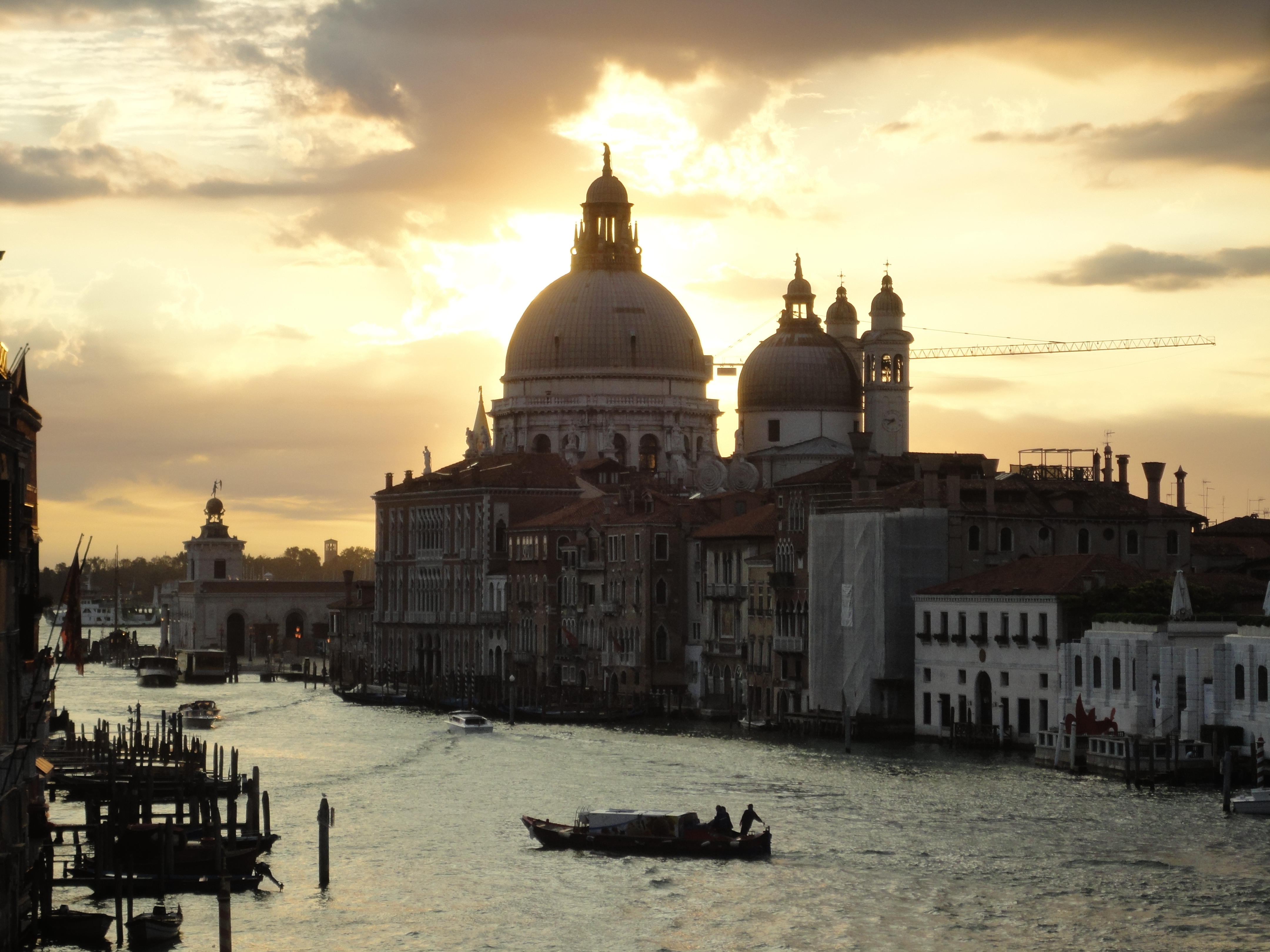
Venice 7 a.m.
Venice, Italy…7 a.m. Children laughing on their way to school, backpacks flapping as they run across the Accademia bridge. A bakery displaying fresh wares, the narrow street still dark, the shop’s windows warmly lit and calling the passer-by in. Street cleaners sweeping the detritus of the previous night’s celebrants using long-handled brooms of bundled branches, stopping their lively banter to avoid disturbing the homeless man sleeping on a bench on a little piazza, a pigeon at his feet. Few tourists out of their hotels yet. Two nuns hasten by, late to mass? And did I mention the canals?
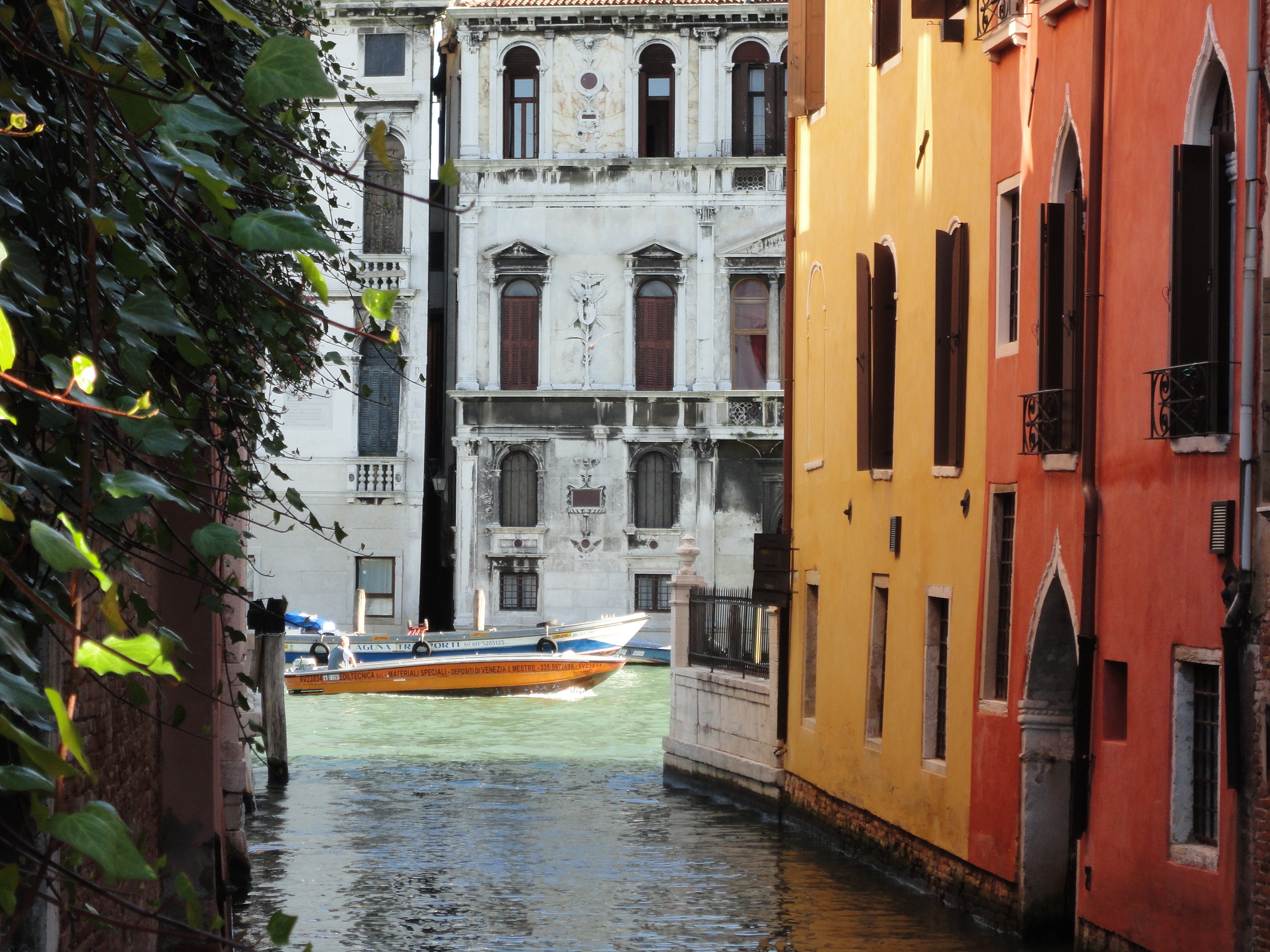
The first time I awoke in Venice, I was lodging in a cheap hotel on the third floor. As I swung my feet out of the bed and onto the linoleum I stepped into an inch of water. “My God,” I thought in my sleep-befuddled state, “the hotel sank into the canal!” By the time I made it to the hall I could see that only my room was involved in the localized flood, and the lady at the desk downstairs explained: “Don’t worry about it. That pipe in the wall breaks all the time.” By evening most of the water was gone, damp towels scattered about taking its place.
That’s my Venice: damp, sinking, sometimes (especially in mid-summer) stinking, but incredibly beautiful all the same, always a feast for all the senses.

Stop for an espresso, stand at the bar with a workman in blue on one side and an impeccably-dressed businessman on the other, follow their lead and order a cornetto, its custard filling a sugary delight.
Interested? Morning coffee never tasted so good.
Read any of Donna Leon’s brilliant detective novels following Criminal Inspector Brunetti and his loving family. Venice will feel like your own hometown.
As good as being there. Well, actually…not even close. I’d fly there tomorrow if only I could.

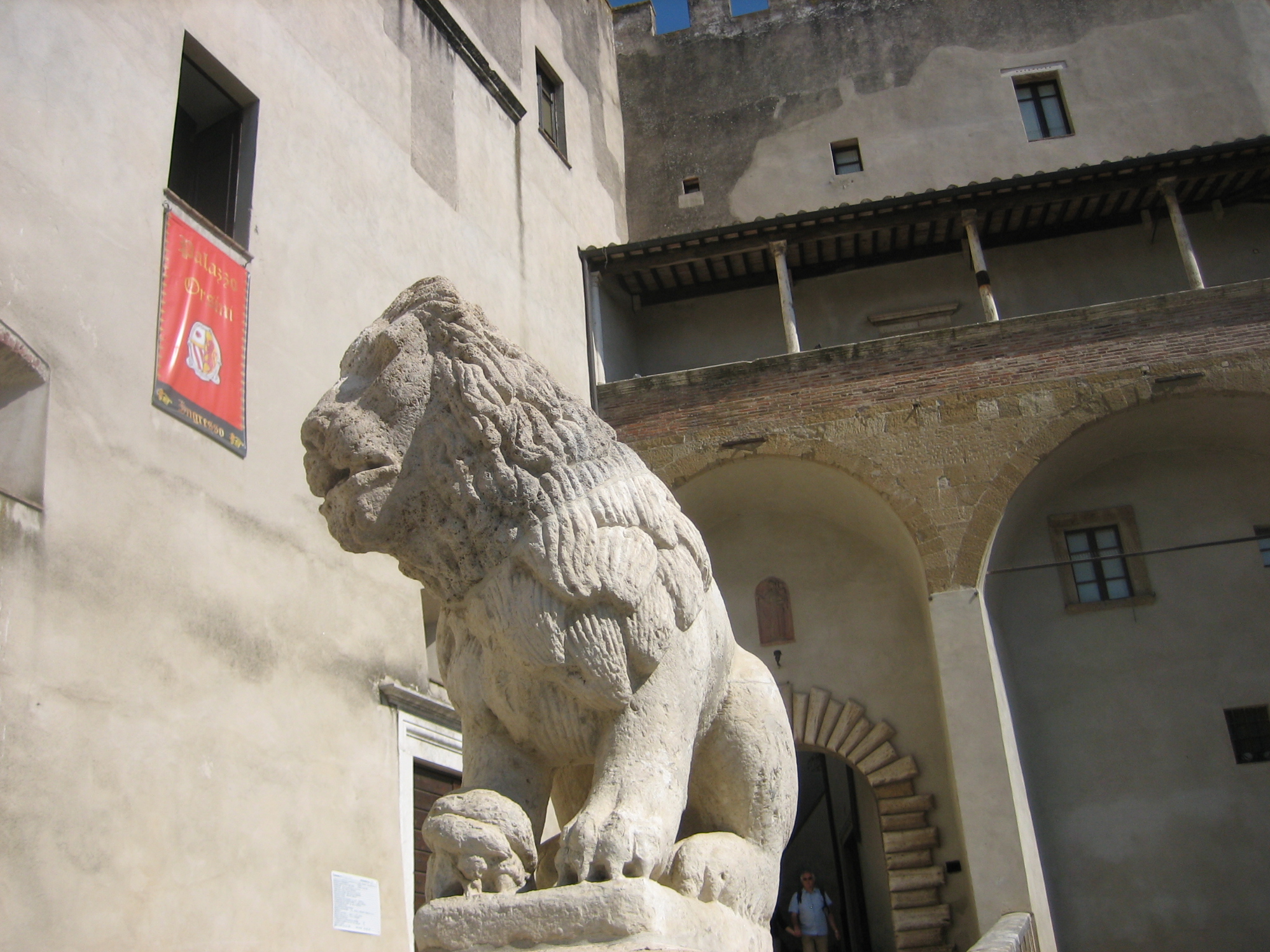
It was generally accepted among the common folk in that often bleak, thousand year stretch between the fall of the Roman Empire and the Renaissance (when lions were but a distant memory in Western Europe and very rarely seen) that these great cats made the perfect keepers of the watch at doors and gates. Why? Because the common misconception was that lions never slept. Who better to keep an eye on things?

Guard lion in San Quirico d’Orcia, Tuscany
Now anyone who knows cats will recognize from the weather-worn statue above that this feline is either consuming some unidentifiable prey, or disgorging a prodigious hairball. Either way, he obviously is wide-awake.
So when you travel through Western Europe you’ll run into numerous large stone cats, as well as smaller fur-covered varieties, which for me is a very comforting experience. I do feel so much safer knowing they are on the job. Even though, often as not, the smaller versions are often fast asleep or dozing in the sun.

Guard cat in a Spoleto hotel, ever vigilant
You might get the impression that these European cats have become very slothful, now that they are no longer expected to devour Christians in the Roman arena or suffer the spears and arrows of purposeless hunters just to please the bloodthirsty crowds. But no, they only appear to be dozing. Just reach out to touch one and discover just how wakeful they are.
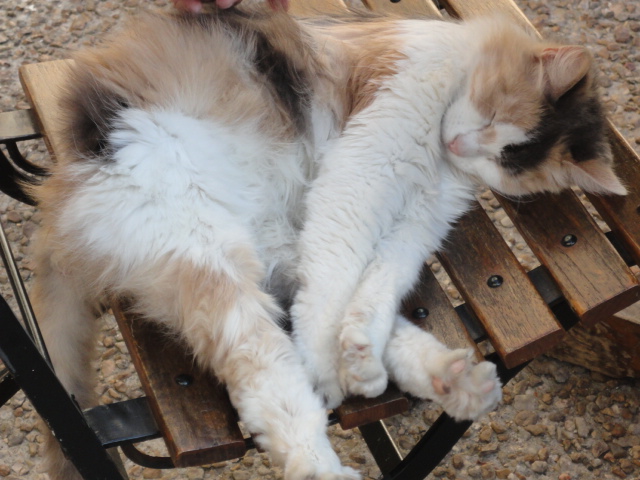
French feline in the Dordogne
Okay. Bad example. But often they will come instantly alert, ready to protect you from any immediate threat. Here’s a better look…
Pitigliano pussycat, Tuscany
Now I know there are those among you who doubt these cats are actually doing their job, so let me give you some visual proof of how effective they are at protecting property…

Guarding a parking spot in Lucca, Italy

Checking out the scene of a break-in near San Gimignano, Tuscany

Showing off for adoring Italian woman in Trevi near Genova
Okay, another poor example. Let’s start over…
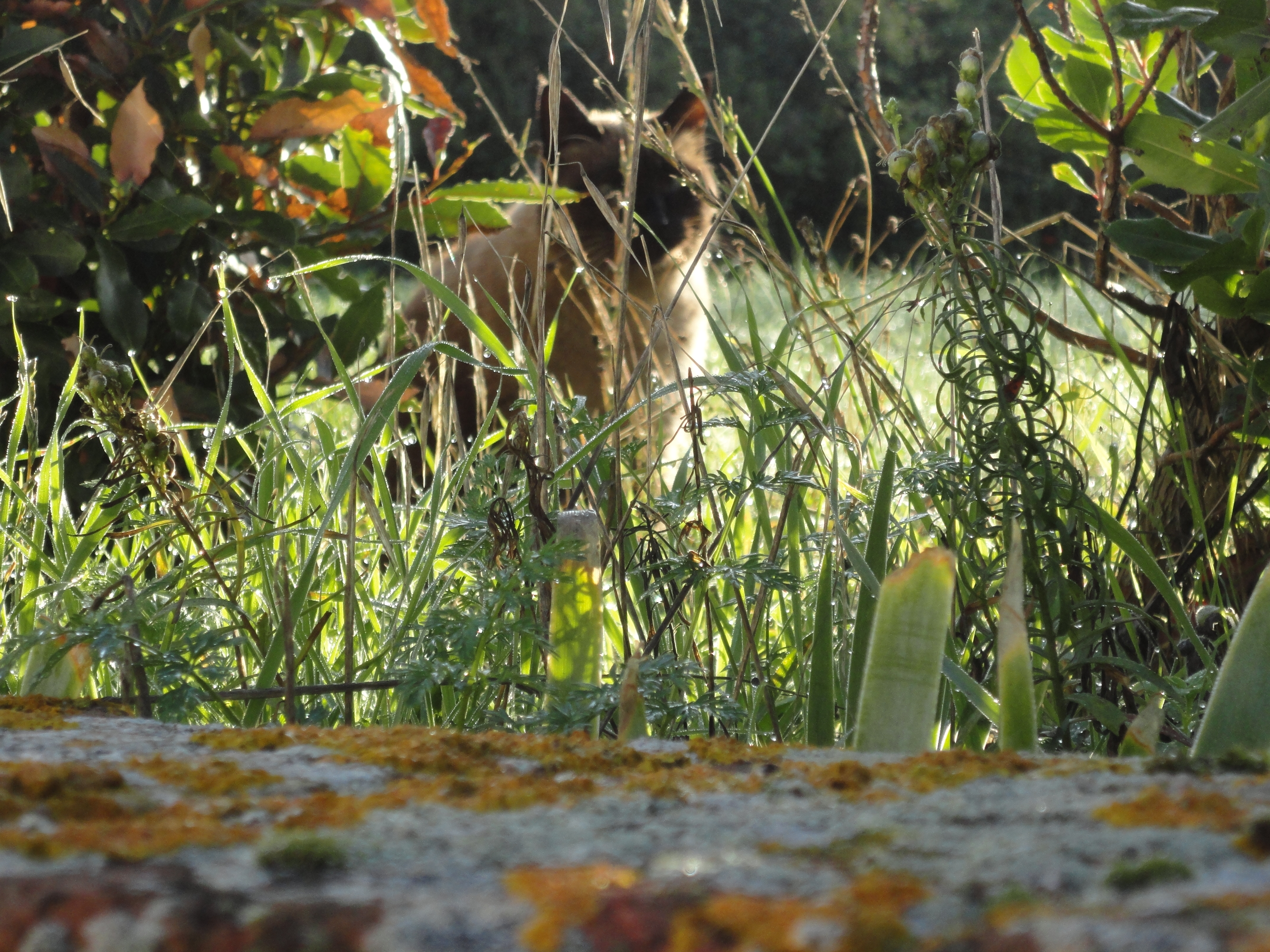
Watching your every move from a secret spot in Chianti near Panzano

Keeping an eye on foot traffic in Spoleto
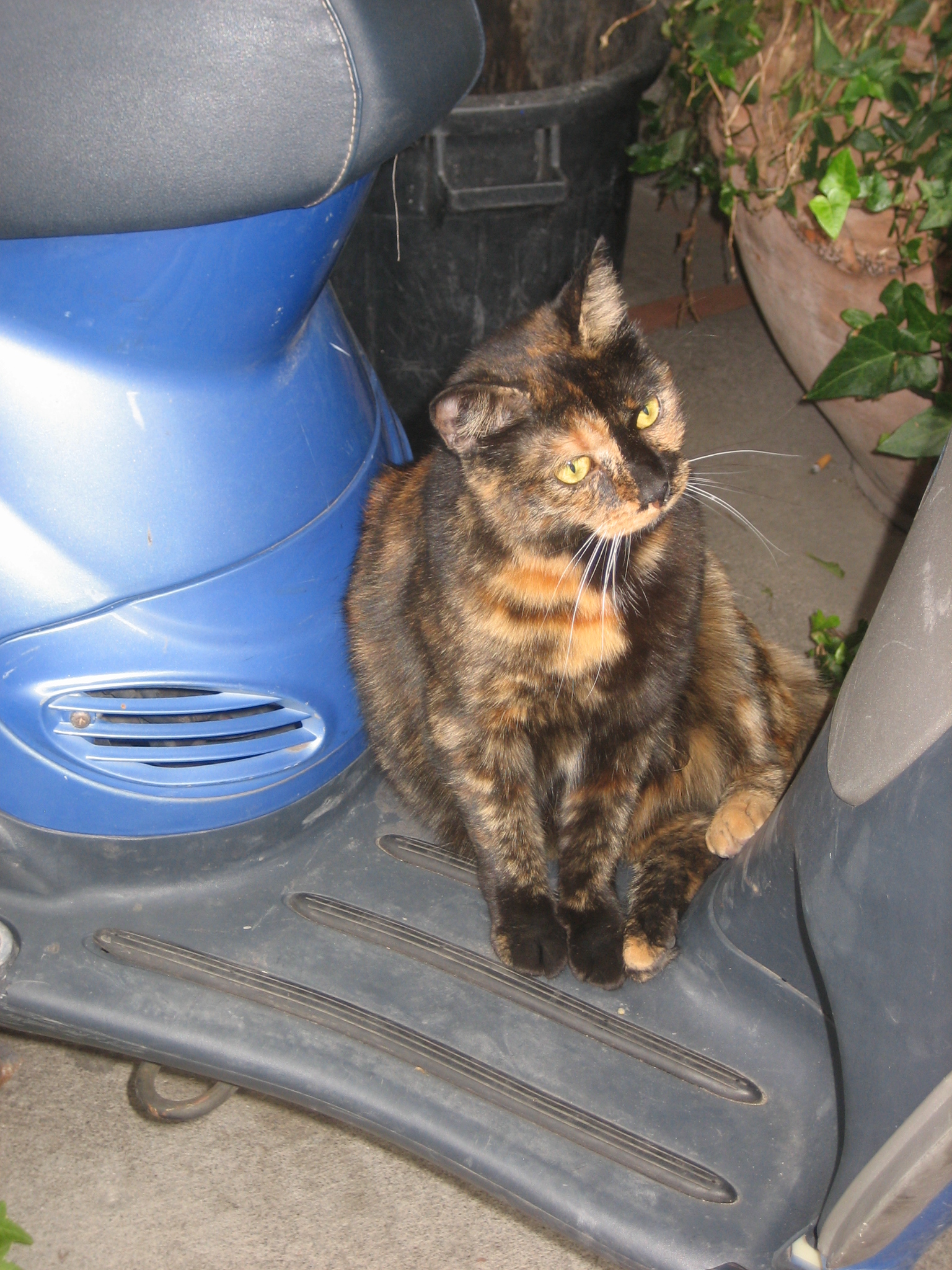
Guarding your Vespa in the center of Positano on the Amalfi Coast

Emulating his forebears in Chianti
Note the attentive look…just like in the following two examples…
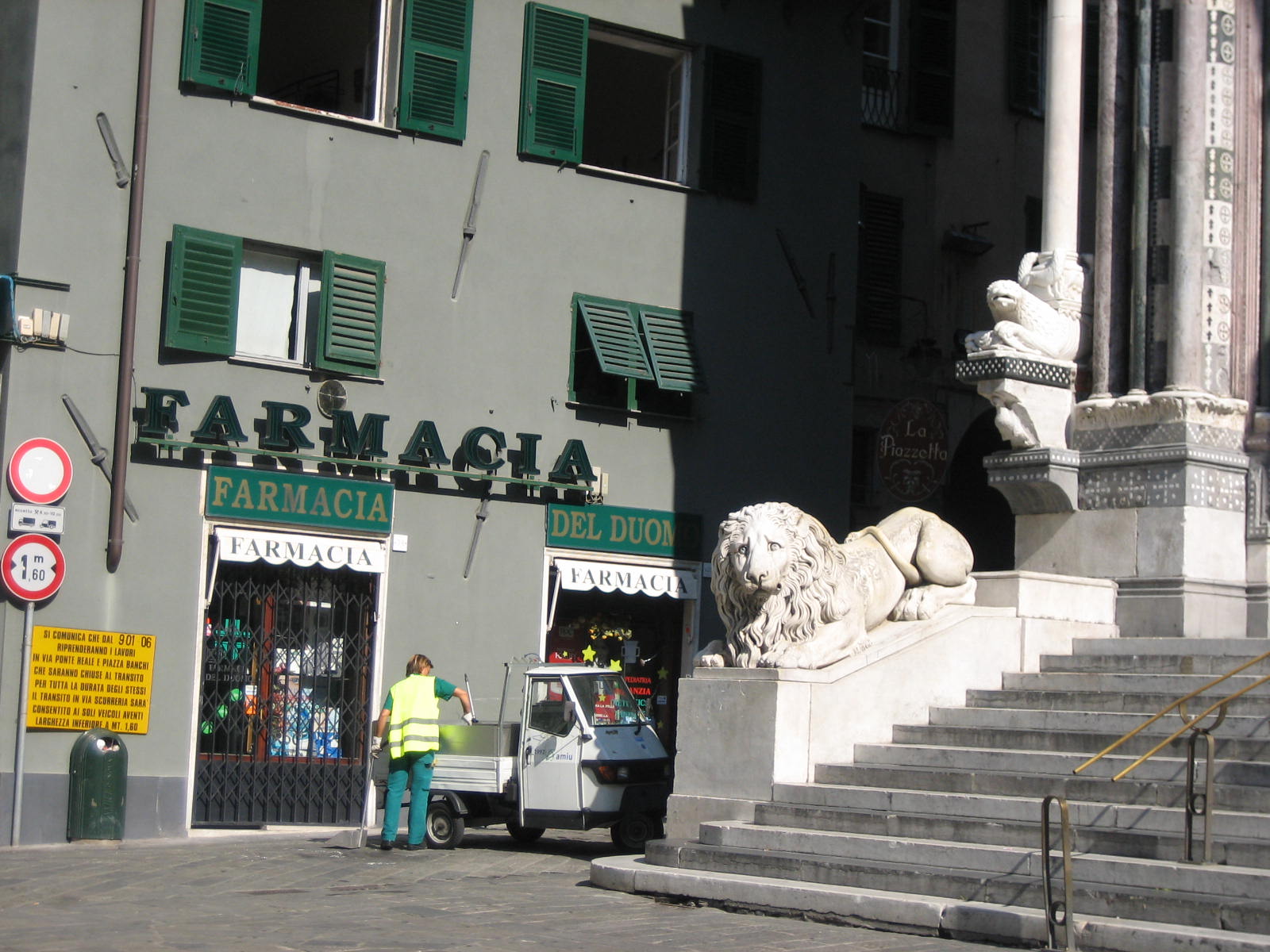
Genovese watch-cat
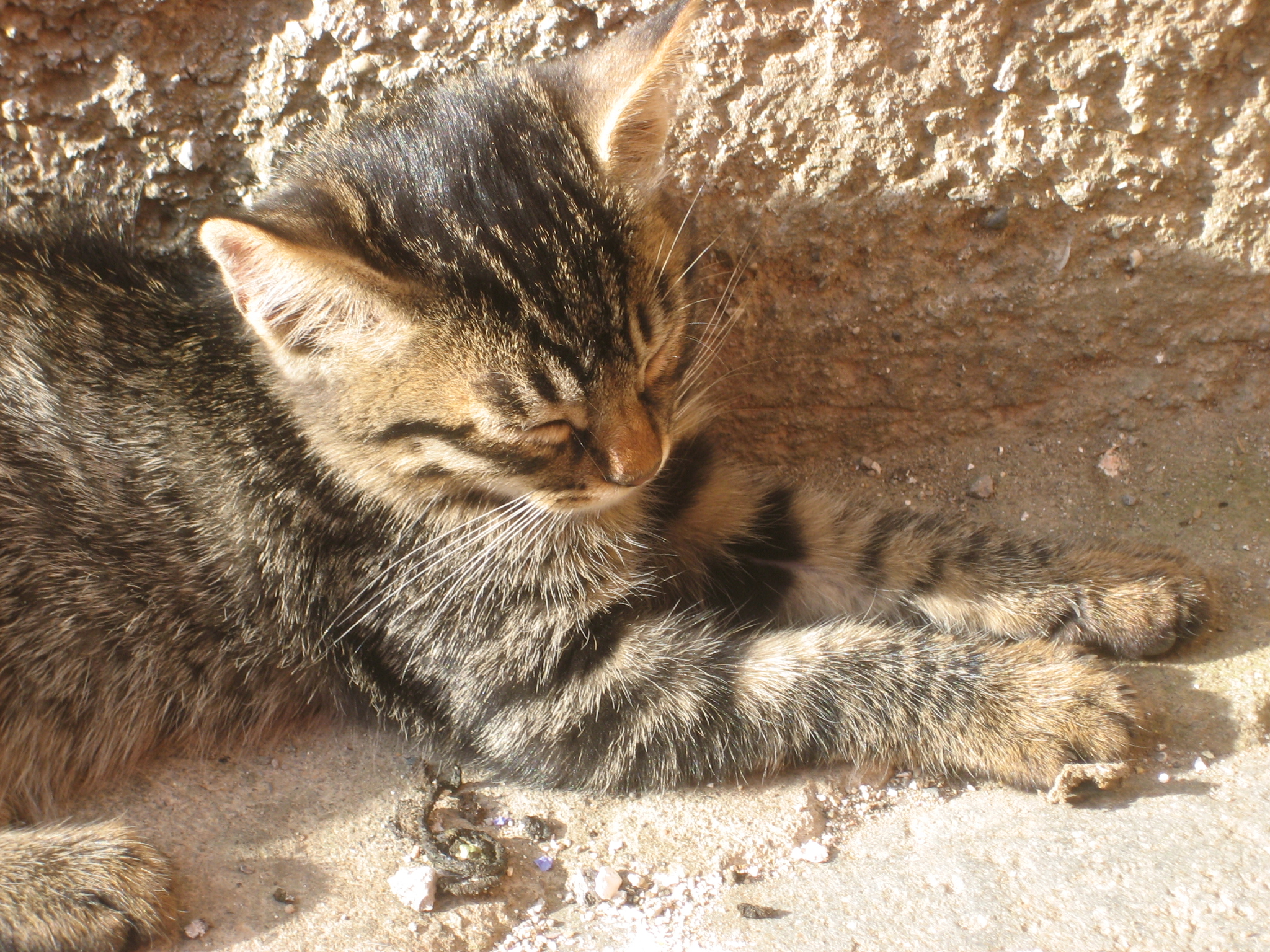
Damn…the little critter is sleeping on the job in Civita di Bagnoreggio
…or is she? That’s the great thing about these little lions: you never know what they are doing or thinking.

Morning watch in a Sienese village
Now I do know what you are thinking: What a lazy way to write a blog post, sticking in a bunch of cute cat photos to avoid writing something more challenging on a Sunday morning. Wrong! I am trying to make your life easier by saying you should all adopt a cat to guard your own castle. Treat your feline right, and you’ll feel protected and loved…all day and night. Except of course when your personal lion companion is dozing…or grooming…
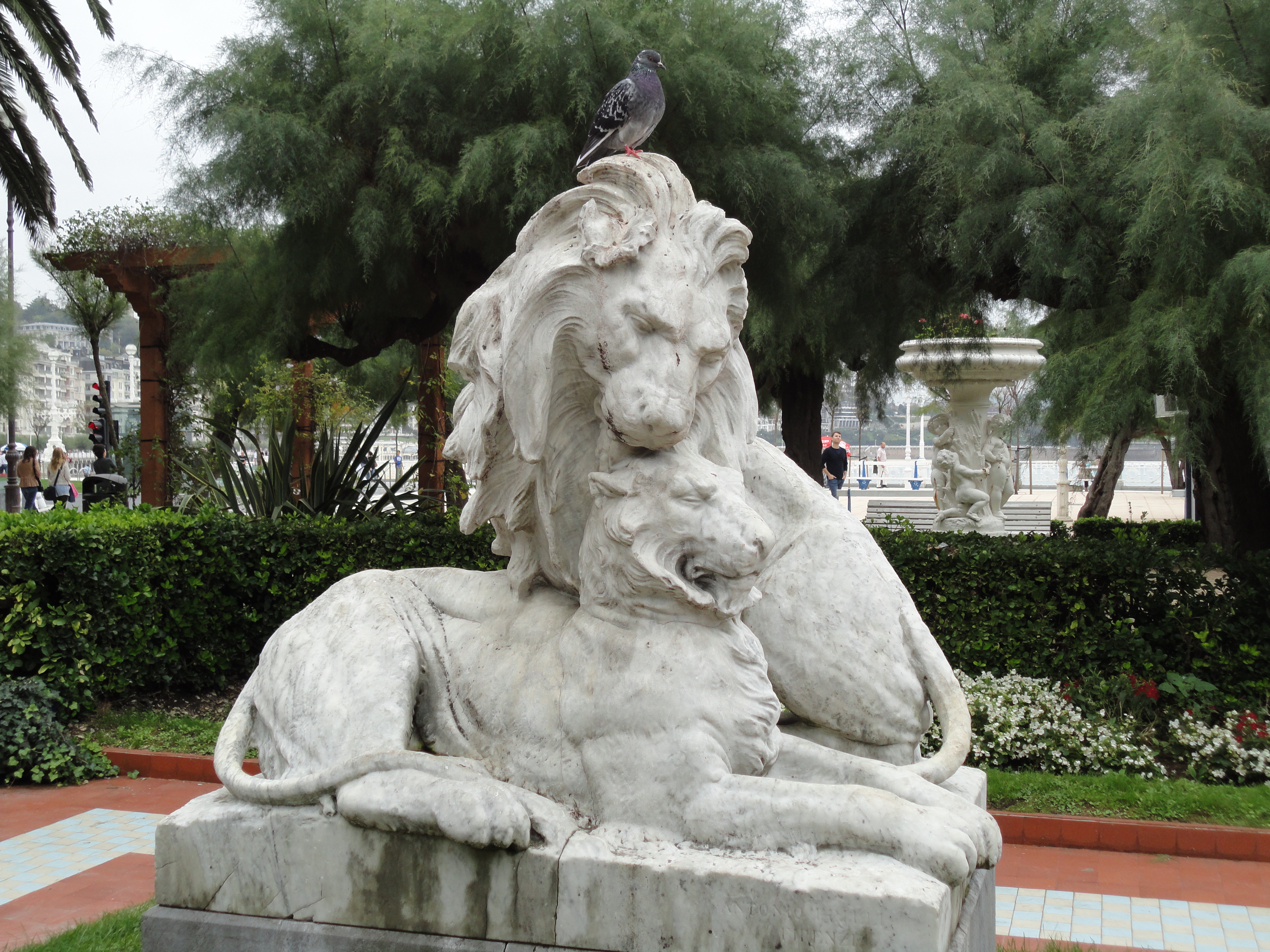
Park sculpture in San Sebastian, Spain
Cats of all types and nationalities, guaranteed to leave a lasting mark on your heart. Even if it’s made of clay…

Lasting feline marking in Civita di Bagnoreggio, Italy
Copyright 2013 by Patrick W. O’Bryon

Shopping for fresh food in the heart of Bologna
Okay, here’s the story. It’s brutally hot again today in California, for what seems like forever. I’m hungry. And all I can picture are the sweet and savory delights of an Italian marketplace, where the freshest of produce, fruits and flowers tempt the unwary. You may want to skip this posting if you’re hungry.

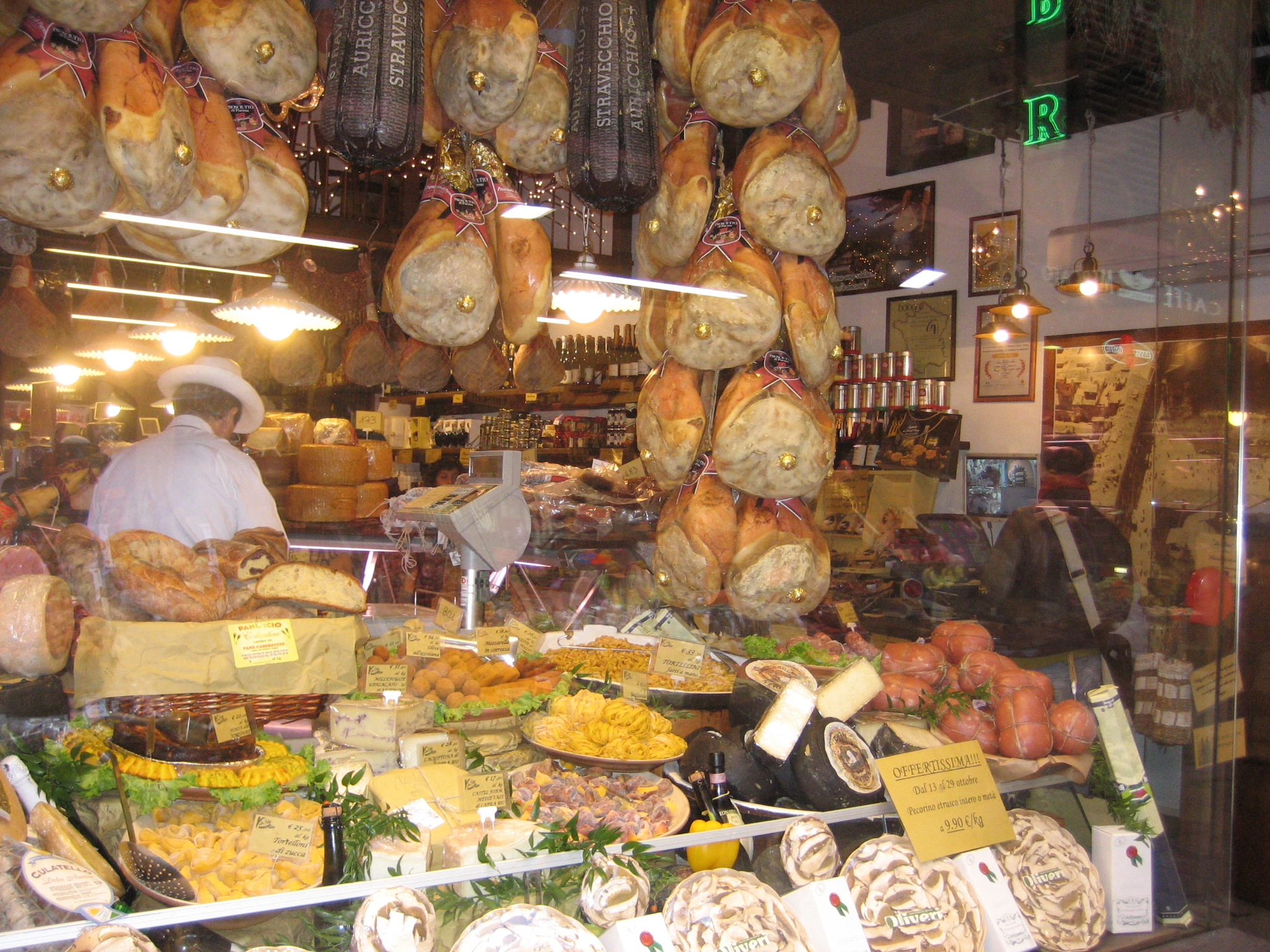
The savory bounty of Emilia-Romagna

Tutti frutti, anyone?

My favorite!
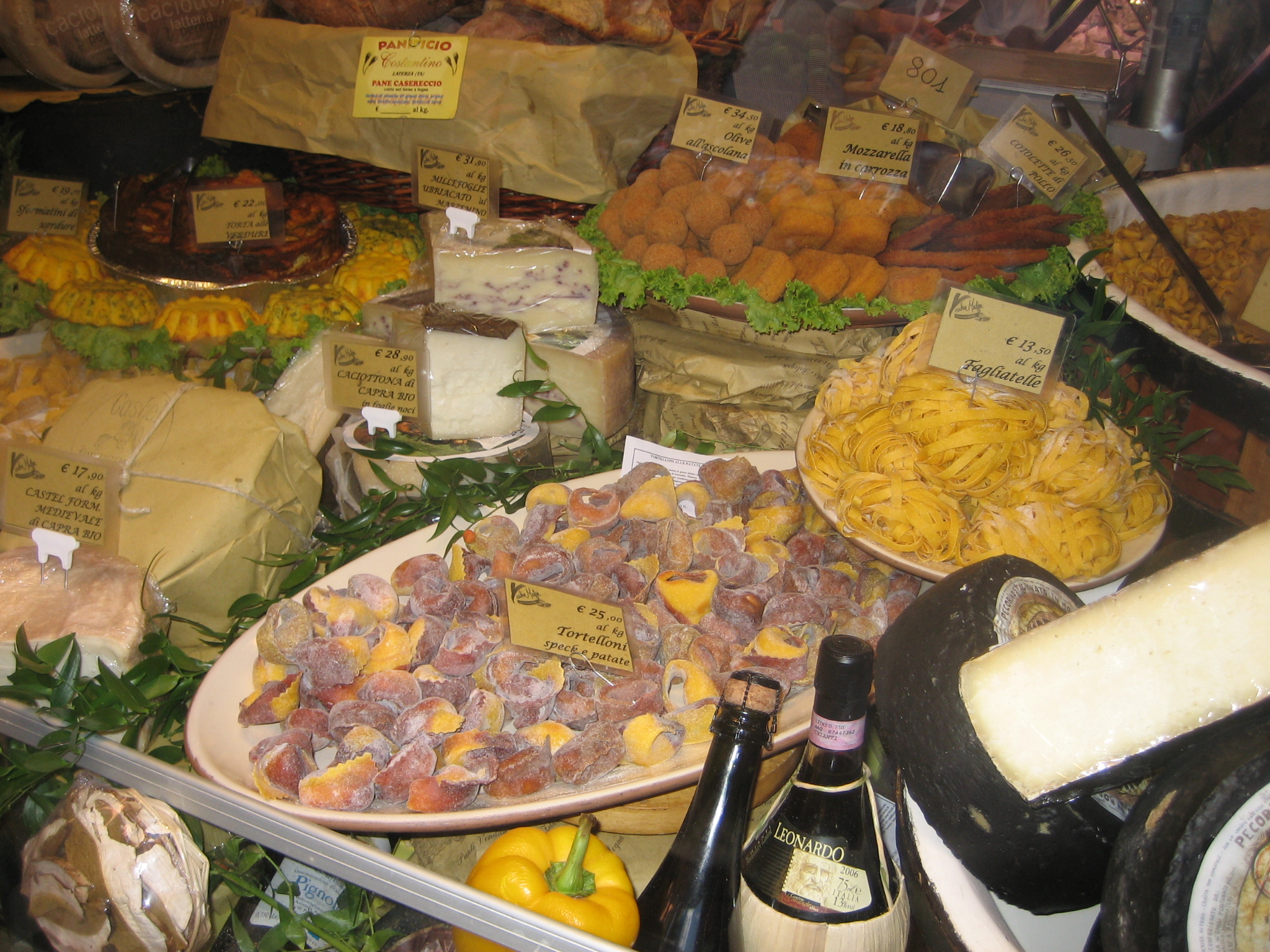
Warning: Window shopping in Italy will make you hungry.

Locavores delight…always fresh!

Even the fiori look tempting…
And if the markets close and the skies cloud over, you can always duck inside and find a delicious pizza.

San Gimignano in the rain
See? I warned you not to read this hungry!
Copyright 2013 Patrick W. O’Bryon



 Patrick W. O'Bryon